
Skip a home vagus nerve stimulator if you have a pacemaker, a cochlear or hearing implant, or any other active electronic implant. Ask your doctor first if you are pregnant, have epilepsy, a heart condition or another ongoing medical condition. One brand's terms say under-18s should not access its services, and broken or irritated skin is a reason to wait.
This checklist does not diagnose anything and cannot tell you whether a device is right for your body. It collects what device makers and the NHS publish, so you know which questions to take to your own doctor.
Affiliate disclosure: this page has no buy button. Lume-Trixa earns commissions through affiliate links elsewhere on the site, including the review linked near the end. None of that changes the safety guidance here.
The brand's pages describe a short daily routine for stress and sleep. A few groups of people should not use a device like this, and a few more should get a doctor's view first. The lists below come from three places, named in each section: the published guidance of Pulsetto, the neckband maker we cover most on this site; the NHS page on TENS, the closest public health guidance on electrical stimulation through the skin; and the safety section of our own review.
Who should not use a vagus nerve stimulator at all?
Anyone with an active implanted medical device. This is the one point every source agrees on.
- The brand's FAQ: the device is "not recommended for individuals with active implantable medical devices, such as pacemakers, hearing aid implants, or other electronic implants". Anyone with such a device is asked to consult their healthcare provider first.
- The brand's disclaimer: anyone with "an active implantable device such as a pacemaker" must consult their primary care physician before use.
- Our review's safety section: do not use it with a pacemaker, a cochlear implant or another active implanted electrical device.
- The NHS, for TENS: do not use TENS if you have a pacemaker.
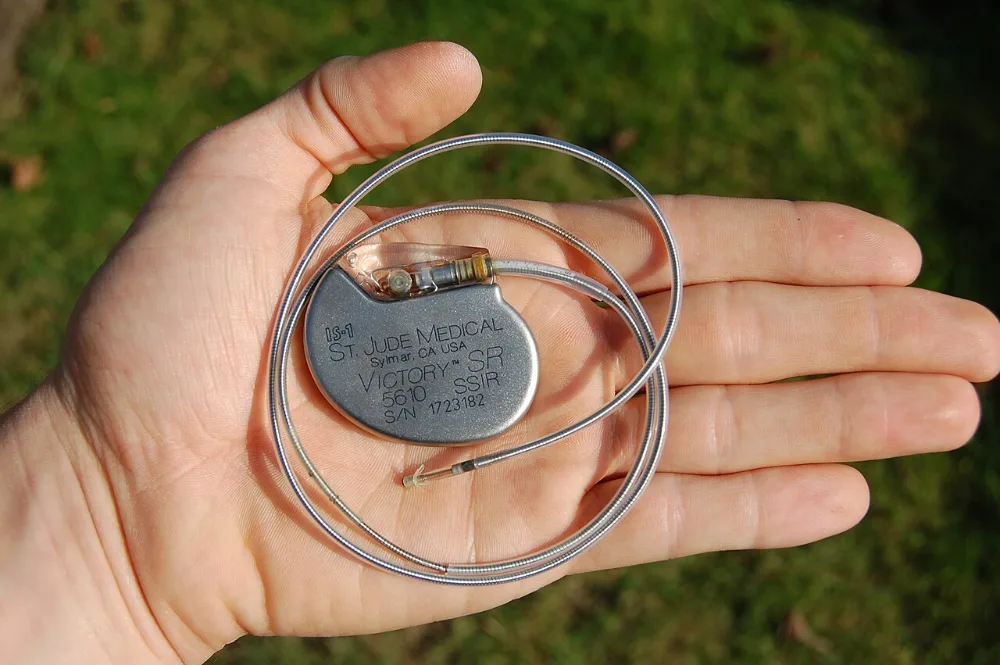
Not sure whether an implant counts? If it has a battery or electronics, treat it as active and ask. Your implant card, or the clinic that fitted it, can confirm it.
Who should ask a doctor before the first session?
A wider group. Some of the sources say not to use a device at all in these situations, as the NHS does for TENS and epilepsy; others say to ask first. Either way, the decision belongs with someone who knows your history.
- Any heart condition. The brand's terms of service tell customers with any heart or other medical condition to consult their healthcare provider before use. Our review gives the same advice.
- Epilepsy. Our review advises checking with a physician first. The NHS says not to use TENS if you have epilepsy.
- Any preexisting medical issue. The brand's disclaimer asks anyone with preexisting medical issues to consult their primary care physician before using the device.
- Anyone treating a diagnosed condition. A wellness device sits alongside your care. It does not change or replace a treatment plan, and any change to medication is a conversation with your prescriber.
Is a vagus nerve stimulator safe during pregnancy?
Treat pregnancy as a doctor-first situation. On the pages we checked, the neckband maker does not publish pregnancy-specific guidance beyond its general advice to consult a physician about any medical issue. Our own review says to check with a physician before use if you are pregnant.
The NHS guidance on TENS is the clearest public reference: do not use TENS if you are pregnant, "unless your doctor or midwife tells you to". Apply the same rule to any home stimulator, and ask your midwife or doctor before a first session.
Is there an age limit?
The brand's terms say a person "shall not access Services (including for purchasing Goods) if he/she is under the age of 18" (section 4.6.1), and a separate clause (section 5.5) says that anyone under 18 "must have parents’ permission to buy". Its product pages also mention a teen sharing the device at home, so the signals are mixed. For anyone under 18, check with a doctor first.
What about skin, gel and sharing?
A few practical points for every session:
- Use the gel every time. The brand says the conductive gel helps the current pass comfortably and reduces the risk of skin irritation.
- Skip damaged skin. The NHS says not to use TENS on irritated, broken, infected or numb areas of skin. Wait until the skin on your neck has healed.
- Stop at the first sign of a reaction. For TENS, the NHS says to turn the machine off and remove the pads if your skin becomes itchy, irritated or red.
- Share carefully. The brand says the device can be shared if it is cleaned before and after each use, and that each person should have their own gel.
- Charge between sessions. The brand's device cannot be used while it is plugged in, which it describes as a built-in safety feature.
Active implant: do not use it. Pregnancy, epilepsy, a heart condition or any ongoing medical condition: ask your doctor first. Under 18: check with a doctor first. Irritated or broken skin: wait. Something feels wrong: stop.
What should you do if something feels wrong during a session?
Stop the session. The brand's terms say that in any medical emergency you must stop using the device immediately and consult a medical professional. For skin redness or itching, take the device off and let the skin settle before you try again with fresh gel.
Anything beyond a mild, passing skin reaction is a reason to speak to a doctor before your next session. The same goes for stress, anxiety or sleep problems that keep getting worse: those deserve a professional's attention, and no device changes that.
If none of this applies to you
Then the brand's own do-not-use list does not rule you out. The safety section of our review of the Fit, with its own do-not-use list and the realistic first-month timeline, is the next step, and it explains why the effect builds over weeks rather than in one session.
For background on the evidence, see what the research does and does not show about vagus nerve stimulation.
Frequently asked questions
Can I use a vagus nerve stimulator if I have a pacemaker?
No, not unless your cardiologist specifically approves it. The neckband maker does not recommend its device for anyone with an active implanted medical device such as a pacemaker, our review says not to use it with one, and the NHS says not to use TENS if you have a pacemaker.
Who should not use Pulsetto?
The brand does not recommend it for people with active implanted medical devices, such as pacemakers, hearing aid implants or other electronic implants. Its terms ask anyone with a heart or other medical condition to consult a healthcare provider first, and say people under 18 should not access its services, with a separate clause allowing a purchase with a parent's permission.
Can I use a vagus nerve stimulator if I have epilepsy?
Ask your doctor first. Our review advises checking with a physician before use if you have epilepsy, and the NHS says not to use TENS if you have epilepsy. Your neurologist is the right person to make that call.
Is it safe to use a vagus nerve stimulator while pregnant?
Ask your midwife or doctor before any use. The neckband maker does not publish pregnancy-specific guidance on the pages we checked, our review says to check with a physician first, and the NHS says not to use TENS during pregnancy unless your doctor or midwife tells you to.
Sources
- The neckband maker's FAQ at pulsetto.tech: active implantable medical devices, conductive gel and skin irritation, sharing the device, charging during a session. Checked 15 October 2026.
- The neckband maker's disclaimer page at pulsetto.tech: consult a primary care physician with preexisting medical issues or an active implantable device such as a pacemaker. Checked 15 October 2026.
- The neckband maker's terms of service at pulsetto.tech, section 4.6.1 (no access to services under 18), section 5.5 (under 18 needs parents' permission to buy) and section 13.1 (consult a healthcare provider with heart or other medical conditions; stop and consult a professional in a medical emergency). Checked 15 October 2026.
- NHS, "TENS (transcutaneous electrical nerve stimulation)", page last reviewed 14 February 2025. nhs.uk
- Lume-Trixa, Pulsetto Fit review, sections on daily safety and frequently asked questions, updated 12 October 2026.
Image credits: "St Jude Medical pacemaker in hand" by Steven Fruitsmaak, CC BY 3.0, via Wikimedia Commons, resized and converted to WebP. Product photograph from the brand.

About the author
Alex Moreno writes the health-gadget guides at Lume-Trixa. His interest started at home: his grandmother spent years with intense, burning nerve pain that her doctors struggled to explain in simple terms. That sent him into reading about nerve conduction, inflammation, supplementation and health technology, and into tracking sleep and body data with wearables to look for triggers. He bought a Pulsetto Fit for his grandmother. He has not used it himself; he writes from the published research and by comparing the data. He is not a doctor, and his guides are general information, not medical advice.
More about Alex Moreno ›Keep reading
- Does vagus nerve stimulation actually work? The three layers of evidence, from the implanted therapy to the consumer research.
- How do you calm your nervous system down? The free daily inputs that shift your baseline, with or without a device.
Affiliate disclosure: some links on this page are affiliate links. If you buy through them we may earn a commission, at no additional cost to you. This does not affect our editorial assessment or the scores we publish. Content in this guide is general information about consumer devices and published sources, not medical advice, and it is not a substitute for care from a qualified professional.