The method with the best evidence is slow breathing with a longer out-breath than in-breath, a few minutes a day. Humming, brief cold on the face, regular movement and protected sleep all add to it. None cost anything. What they share is that they need attention and effort, the thing that runs low at the end of a hard day.
Alex Moreno is a consumer gear reviewer, not a doctor or a therapist. This guide explains published research and simple habits built around it. It is general information, not medical advice, and the safety box below applies.
Affiliate disclosure: some links below are affiliate links. If you buy through them, Lume-Trixa may earn a commission at no extra cost to you. It does not change what this guide says or which studies it cites.
Slow breathing, the one with the best evidence
If you only do one thing on this page, do this one. The vagus nerve adjusts your heart rate breath by breath, speeding it slightly as you breathe in and slowing it as you breathe out. Make the out-breath longer than the in-breath and you lean on that braking action deliberately.
The research behind it is a systematic review by Zaccaro, Piarulli, Laurino and colleagues, published in Frontiers in Human Neuroscience in 2018. From 2,461 abstracts screened they included 15 studies, and defined slow breathing as fewer than ten breaths per minute. Across those studies slow breathing was associated with higher heart rate variability, more EEG alpha activity and less theta, and on the psychological side with more vigour and alertness alongside reduced anxiety, depression, anger and confusion.
The practical version is short. Breathe in through the nose for a count of four, out through the nose or pursed lips for a count of six, and keep going for five minutes. If four and six feel like a strain, start with three in and five out. Do it sitting upright, once a day, at the same time so it becomes a habit rather than a decision.
Humming, singing and a long "voo"
The vagus nerve supplies the muscles of the voice box and the back of the throat, so making a sustained sound gives it a mechanical nudge while also slowing your breathing, because a long hum forces a long exhale. This is why humming, chanting and singing keep coming up in this context.
You do not need a technique. Hum a low note on the out-breath for as long as it lasts comfortably, feel the buzz in your throat and chest, take a breath, repeat for a couple of minutes. A long, quiet "voo" sound on the exhale does the same job. It stacks neatly onto the breathing practice above, or works on its own in the car.
A brief splash of cold
Cold water on the face, particularly around the forehead and eyes, triggers a reflex that slows the heart. A short cold rinse at the end of a warm shower, or thirty seconds with your face in a bowl of cool water, is the usual way people use it.
Keep this one modest and sensible. The aim is a brief, refreshing cold, not an endurance test, and it is not for everyone. If you have a heart condition, skip it and use the breathing instead.
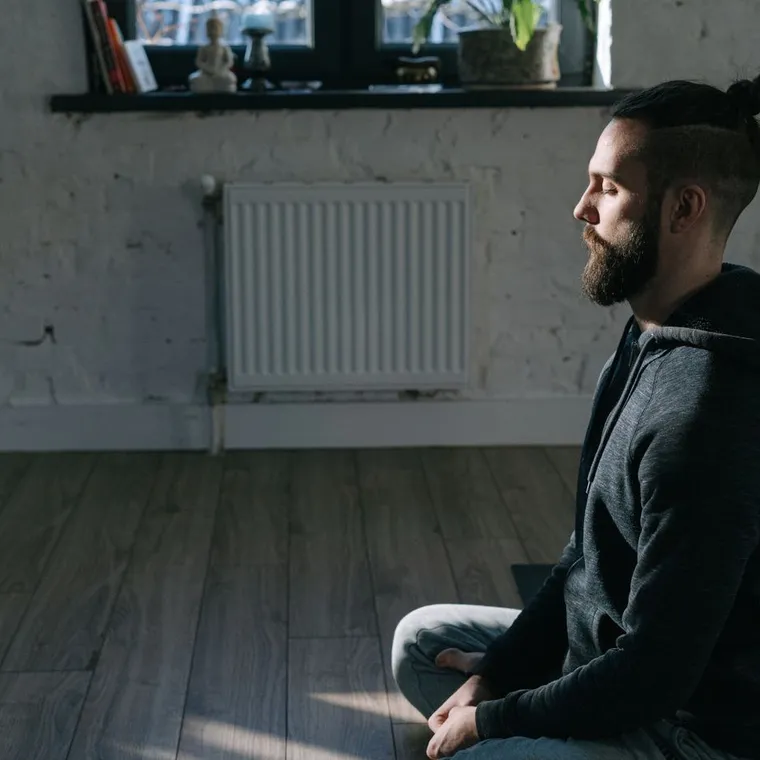
Movement and sleep, the slow-burn pair
These two do not feel like vagus nerve techniques, which is exactly why people skip them, and they matter more than any single exercise.
Regular aerobic movement, even a daily walk, is one of the most consistent ways to change how your body handles stress load over weeks. It also gives your nervous system's accelerator something real to push against, which a screen never does. And protected sleep, a steady wake time and a genuine wind-down, is the setting in which recovery actually happens. A calming routine that finishes at midnight is working against itself.
The honest catch with all of the above
Every method on this page is a top-down technique. It asks your thinking brain to talk your stressed brain down. That works, and the research supports it. The problem is timing: the resource these methods draw on, focus and follow-through, is the one that is emptiest at the end of a long, stressful day. The evening you most need the breathing practice is the evening you are least likely to sit down and do it.
That is not a reason to skip them. It is the reason to make them small and fixed: five minutes, same slot, low bar. And it is the honest context for the other option.
Wearable vagus nerve stimulators take a bottom-up route instead. They send a mild current through the skin of the neck in a short session that needs no concentration from you, so the input happens even on the days willpower is gone. That is a genuinely different lever, which is why a lot of people use one alongside the breathing rather than instead of it. The evidence for the consumer versions is early rather than settled, and we go through exactly what it does and does not show in does vagus nerve stimulation actually work. Do both. They are not the same tool, and one does not cancel the need for the other.
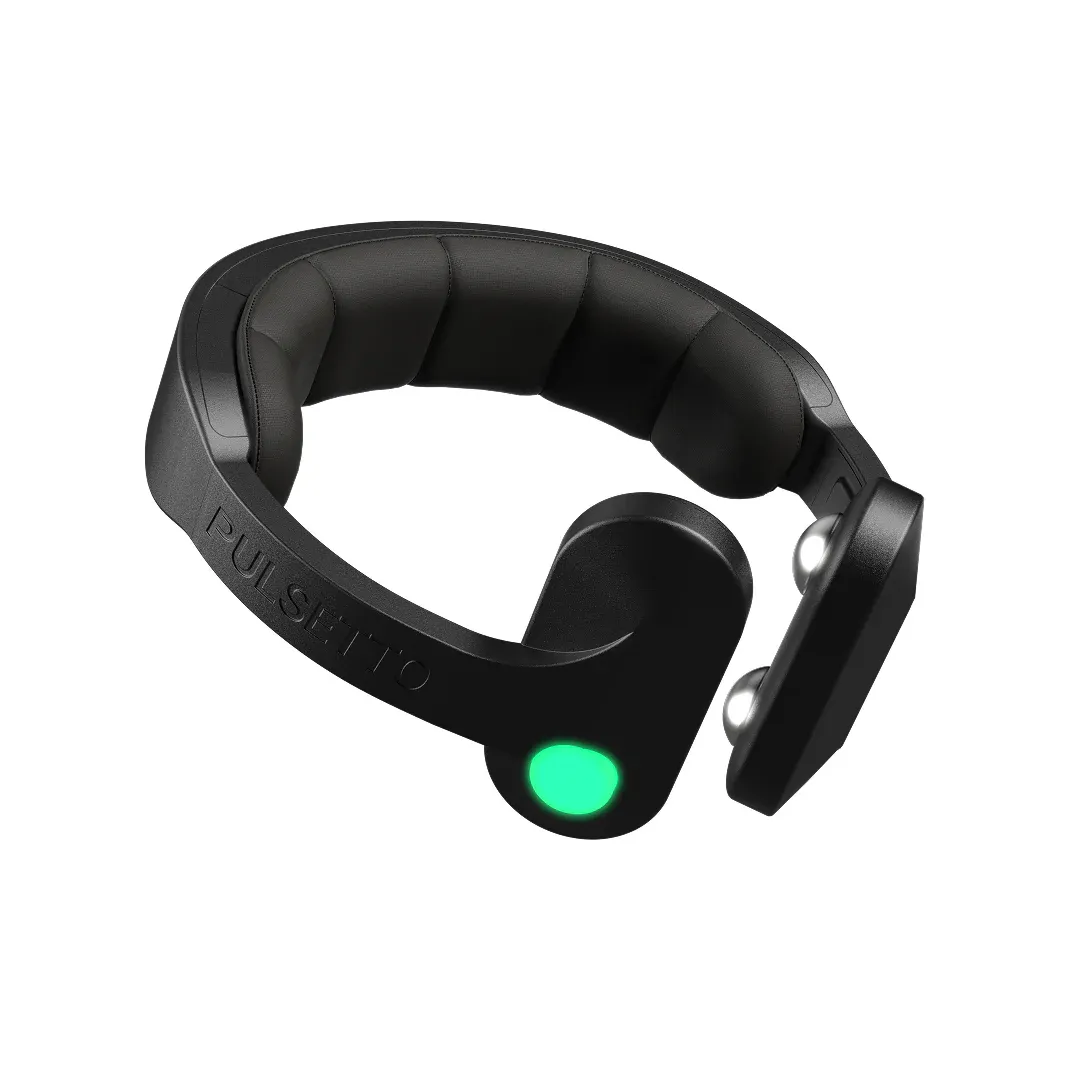
The bottom-up option, for the days you skip the breathing
The Pulsetto Fit runs four-minute app-guided sessions through the skin of the neck. It is built as a daily self-regulation tool to sit alongside the free methods, not to replace them, and not as a treatment.
Check the current price and what is in the box on the official storeOr read our full Pulsetto Fit review, with the session length, the price and the return terms.
Putting it together in five minutes a day
You do not need all of it. A workable daily version looks like this, and it fits in the last part of the evening.
- Two minutes of hummingLow note on each out-breath, in the car home or while tidying up. This doubles as a warm-up for the breathing.
- Five minutes of slow breathingIn for four, out for six, sitting upright, same time each night. This is the part with the evidence, so protect it.
- A short cold rinse, if it suits youEnd the shower cool, face and forehead included, for fifteen to thirty seconds. Skip it entirely if you have a heart condition.
- A ten minute walk earlier in the dayNot part of the evening block, but the input that does the most over weeks.
- The same wake time tomorrowThe single habit with the biggest effect on how the next evening goes.
Judge it at four weeks, not four days, using how fast you fall asleep and how quickly you settle after work as your markers. If nothing has shifted at all by then, that is a reason to talk to a professional rather than to try harder.
Skip the cold-water step if you have a heart condition, and keep it brief in any case. If you feel light-headed during slow breathing, return to normal breathing and build up more gently. If anxiety, low mood or sleep problems are persistent or getting worse, that is a conversation with a professional, and none of these habits, or any device, is a substitute for it. Do not use a vagus nerve stimulator with a pacemaker, a cochlear implant or another active implanted electrical device.
Frequently asked questions
What is the single best way to stimulate the vagus nerve naturally?
Slow breathing with a longer exhale than inhale, for about five minutes a day. In the Zaccaro 2018 systematic review, breathing under ten times a minute was associated with higher heart rate variability and lower anxiety. A 4 in, 6 out count is an easy way to hit that rate. Humming, brief cold, movement and sleep all add to it.
How long before natural vagus nerve techniques do anything?
A single slow-breathing session can change how you feel within a few minutes, but that is a passing state. Shifting your baseline, how reactive you are by default, takes weeks of near-daily repetition. Four to six weeks is a fair window before you decide whether it is worth keeping up.
If the free methods work, why would anyone buy a device?
Because the free methods need attention and follow-through, and that is exactly what is missing at the end of a stressful day, so people skip them when they need them most. A wearable runs a short session with no concentration required, which makes it a useful addition on the low-willpower days. It is not a replacement for the breathing, and it is not a treatment.
Is humming actually doing anything, or is it just relaxing?
Both. The vagus nerve supplies the voice box and throat, so a sustained sound gives it a mechanical nudge, and a long hum also forces a long exhale, which is the part with the breathing evidence behind it. It is a small effect and an easy one to add, not a standalone fix.
Sources
- Zaccaro A, Piarulli A, Laurino M, et al. "How Breath-Control Can Change Your Life: A Systematic Review on Psycho-Physiological Correlates of Slow Breathing." Frontiers in Human Neuroscience, 2018;12:353. pmc.ncbi.nlm.nih.gov/articles/PMC6137615
- Soltani D, Azizi B, Sima S, et al. "A systematic review of the effects of transcutaneous auricular vagus nerve stimulation on baroreflex sensitivity and heart rate variability in healthy subjects." Clinical Autonomic Research, 2023;33(2):165-189. pubmed.ncbi.nlm.nih.gov/37119426
Image credits: photographs via Pexels.

About the author
Alex Moreno writes the everyday-gear guides at Lume-Trixa. He buys the products with his own money, uses them for weeks rather than an afternoon, then reads the published research behind the idea. He is not a doctor or a therapist, and every stress and sleep guide he writes says so.
More about Alex Moreno ›Keep reading
- How do you calm your nervous system down? The accelerator and the brake in plain English, what HRV really tells you, and the daily inputs that shift your baseline.
- Does vagus nerve stimulation actually work? The three layers of evidence, from the implanted therapy to the consumer wellness claims, and what each one covers.
Affiliate disclosure: some links on this page are affiliate links. If you buy through them we may earn a commission, at no additional cost to you. This does not affect our editorial assessment or the scores we publish. Content in this guide is general information about habits and published research, not medical advice, and it is not a substitute for care from a qualified professional.